Taylor Davey
Research Affiliate, Urban Theory Lab
; Assistant Professor, Department of Public Administration and Policy
Binghamton University
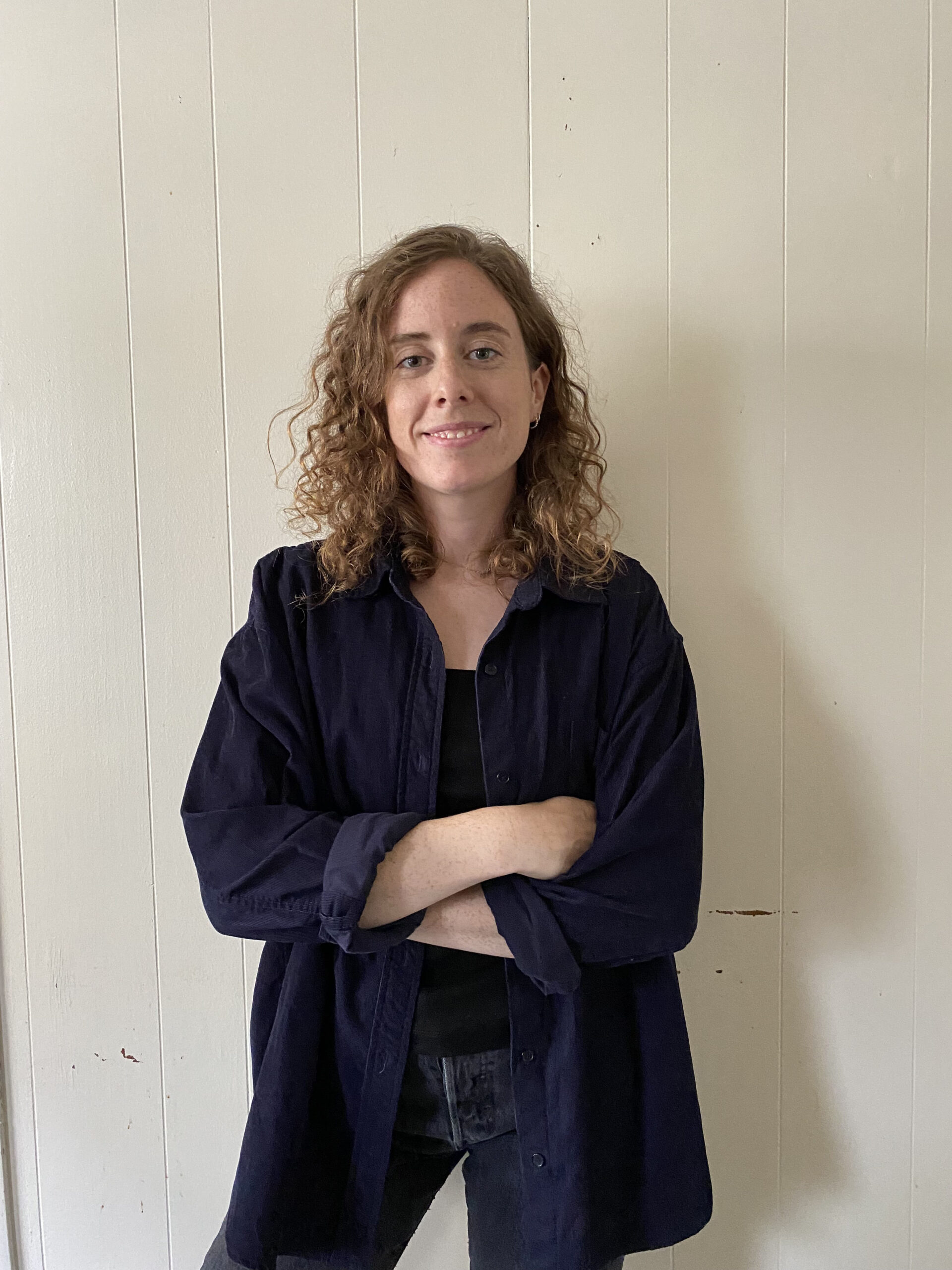
Taylor Davey is an assistant professor in the Department of Public Administration and Policy with a teaching focus in the Sustainable Communities program. She received a PhD in Urban Studies & Planning from Harvard University in 2024. Davey’s research explores urban climate action and governance, with a focus on the politics of climate planning and challenges of aligning short-term action with long-term transition pathways. Recent work includes studies of international programs to standardize local carbon emissions accounting, which have been developed to build confidence in the impacts of local action and support the accountability of local actors to global goals. This research also examined the adoption of standards in novel carbon budgeting frameworks and modelling tools. Davey’s research focus is on how standards come to be negotiated on the ground, with attention to the situated translation of standards as they are shaped by local political interests and systems boundaries. This work highlights the need for more explicit engagement with alternative forms of knowledge and values-based approaches, which also consider structural constraints limiting the local achievement of ambitious decarbonization goals. Other interests include regional food systems planning, circular economy innovations with particular attention to waste-to-energy technologies, and municipal opportunities to advance decommissioning of natural gas networks. Recent articles feature in publications such as Urban Studies, International Journal of Urban and Regional Research, and Environment and Planning E: Nature and Space.
CV↗
Work
publication
‘Closing the Carbon Loop’: Climate Policy Discourses and the Material Politics of Municipal Waste-to-Biofuel Programs
2025
publication
The Spatial Politics of an Urban Carbon Accounting Standard
2025
publication
Calculative Infrastructures of Net Zero Urban Governance: A transformative science-based agenda or reductive territorial project?
2025