Climate Rights
The University of Chicago
2024–Ongoing
The Climate Rights project (Dr. Alexander Arroyo US PI, Prof. Nabil Ahmed, Norwegian University of Science and Technology/ INTERPRT project PI; Research Council of Norway, 2023-2027), advances climate justice through developing novel methods of critical spatial investigation for situated, community-driven struggle. Across the world, from the Arctic to the Pacific, frontline communities are turning to courts, human rights mechanisms, and emerging legal frameworks to defend territories, safeguard ways of life, and demand climate action accountable to local needs.
These struggles challenge existing legal mechanisms to pursue justice in transboundary contexts and the spatial imaginaries of causation that underpin them. Drawing on a wide range of methods ranging from design research, remote sensing, critical cartography, climate science, and political ecology, Climate Rights works with a broad range of partners across academic, legal, and civil society contexts to build new technical tools and analytic frameworks equal to this challenge. Most notably, the project combines approaches from the critical social and spatial sciences with emerging methods in climate attribution science to trace the underlying systems of socio-ecological metabolism that create and reproduce these spatial dynamics. The project thus connects contemporary political struggles around climate crisis, ecocide, and environmental injustice to the interplay between fossil fuel-intensive city-building processes and the transformation of non-city territories and environments, particularly through the making of environmental “sacrifice zones” and domains of ecological violence.
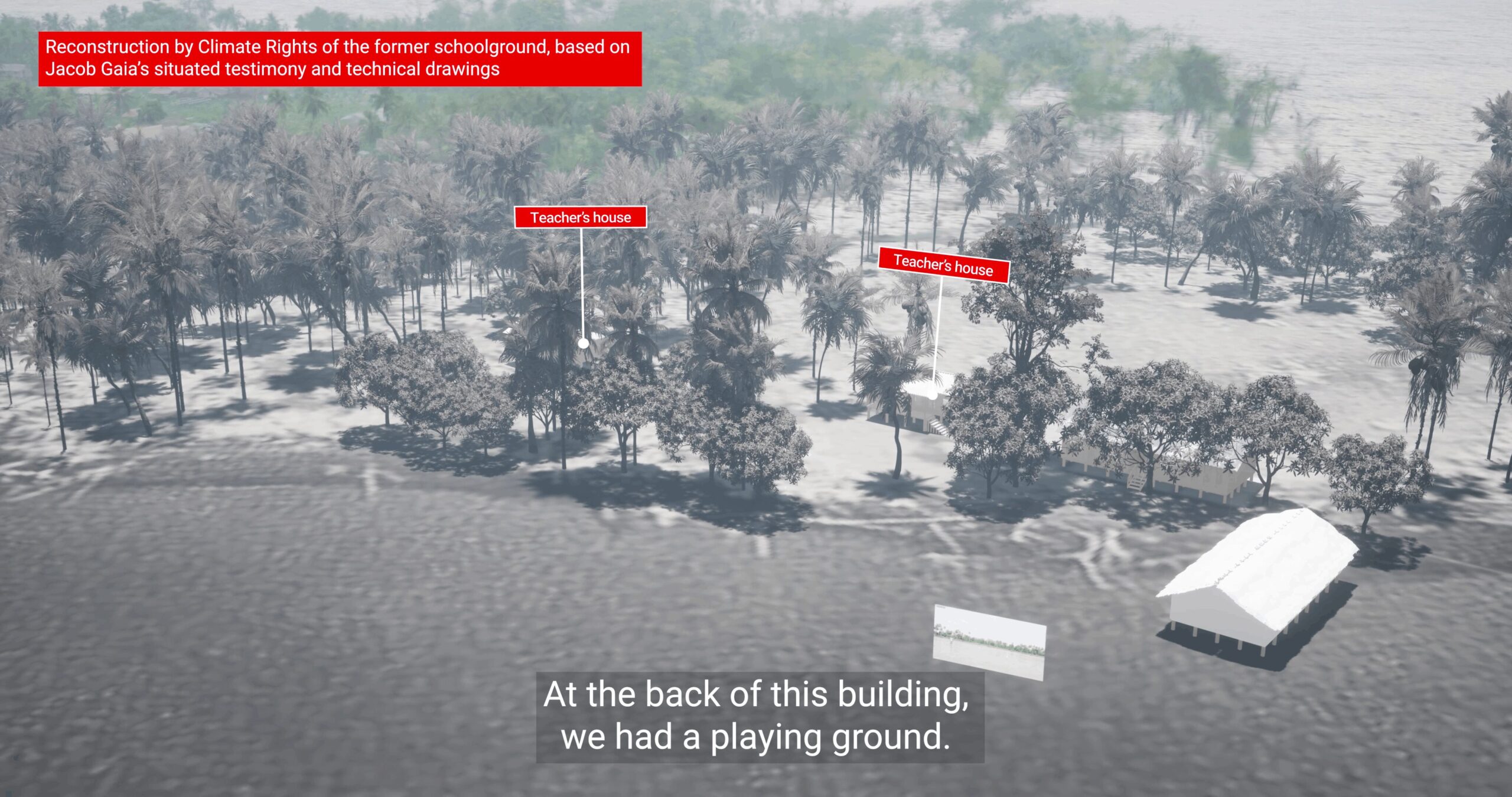
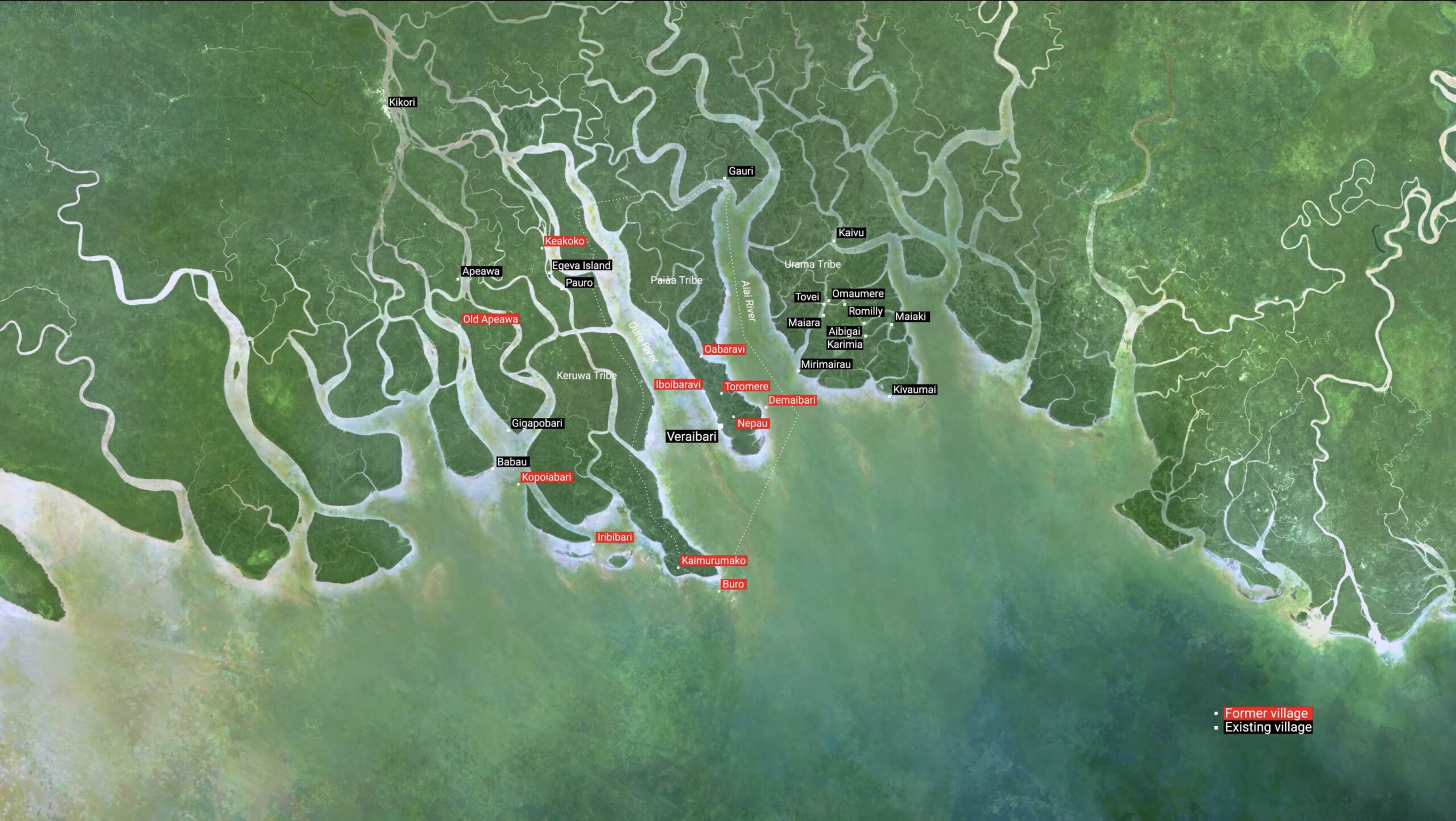
Climate Rights nonetheless remains embedded in situated, contemporary struggles pursued in specific legal and civil society contexts. To date, major highlights include the production of an expert evidence video file in collaboration with the community of Veraibari, Papua New Guinea, part of the case-leading Melanesian Spearhead Group submission, for the groundbreaking climate case at the International Court of Justice on the “Obligations of States in Respect of Climate Change”– the most significant climate-related case brought in international court; and work with Protect Sapmi and Sámi reindeer herding community in Norwegian court to support claims against state-supported “green-grabbing” for wind power plants in reindeer migration grounds. The project is further supported by the University of Chicago’s International Institute of Research in Paris, and the Foundation for the International Law of the Environment.