Global infrastructure, (neo)extractive operations, and socio-environmental transformations: the planetary making of the River Plate basin
Malmö University
2023–Ongoing
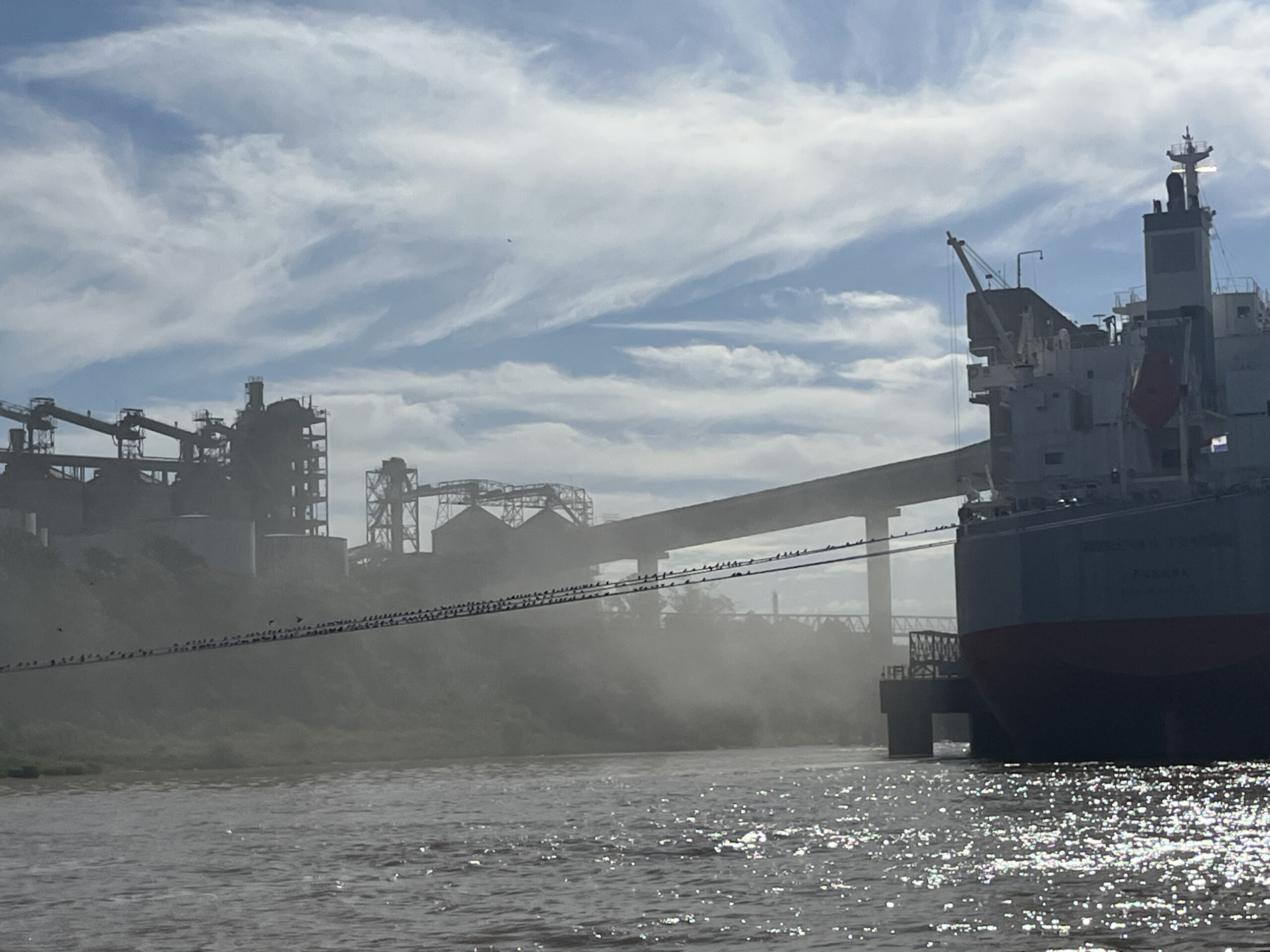
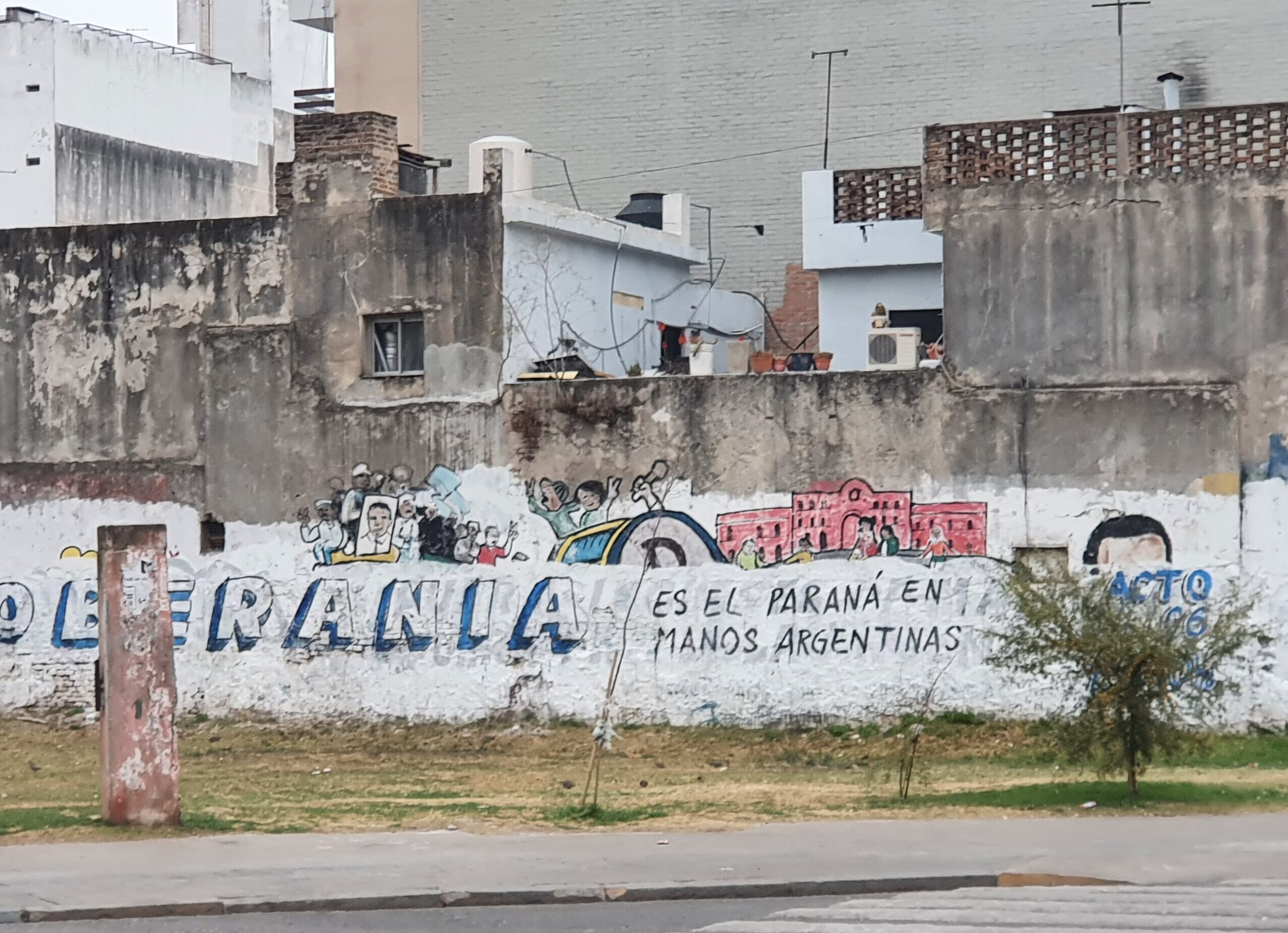
Scholars have recently referred to “global infrastructure” to indicate the implementation of transnational mega-infrastructure projects – i.e. ports, logistical clusters, road and railways corridors, airports, etc. – that has been adopted by several state and non-state actors as a novel development strategy. The most notable example of this action has been China’s BRI. However, the realization of such infrastructural operations poses urgent and yet largely unanswered questions about the effects on the environment, urbanization, and (geo)political order. This project explores these effects using Latin America’s River Plate basin – one of the world’s largest water reserves and a global area for cereal production – as analytical space. The study focuses on agribusiness ports as key infrastructures serving the basin’s soybean complex, examining China’s significant role in this context. Specifically, the project investigates: 1) the development of port infrastructures and the competition between the main actors; 2) the environmental transformations involving the making of global infrastructure; 3) the socio-spatial impacts of port infrastructures; 4) the impact of port infrastructures on state sovereignty and the geopolitical implications. By building on a mixed-methods approach using qualitative methods supplemented by quantitative analysis, the project provides a multidimensional study of global infrastructure.

Related Publications
Simone Vegliò, Jonathan Silver, Andrea Pollio, Francesca Governa, Elia Apostolopoulou / Article
“A dialogue on global infrastructure-led urbanization: Concepts and reorientations”
Dialogues in Human Geography, May (2025): 1-21.
Article
Simone Vegliò / Article
“The flammable city: Infrastructure, temporalities, and social struggles in Dock Sud, Buenos Aires”
Urban Studies, 63, 4 (2026): 720-736.
Article