Environmental Speculations: Landscape Suburbanism Between Housing and Planning, 1920s-1940s
in Jeanne Haffner, ed., Landscapes of Housing: Design and Planning in the History of Environmental Thought (New York: Routledge: 2022): 100–121.
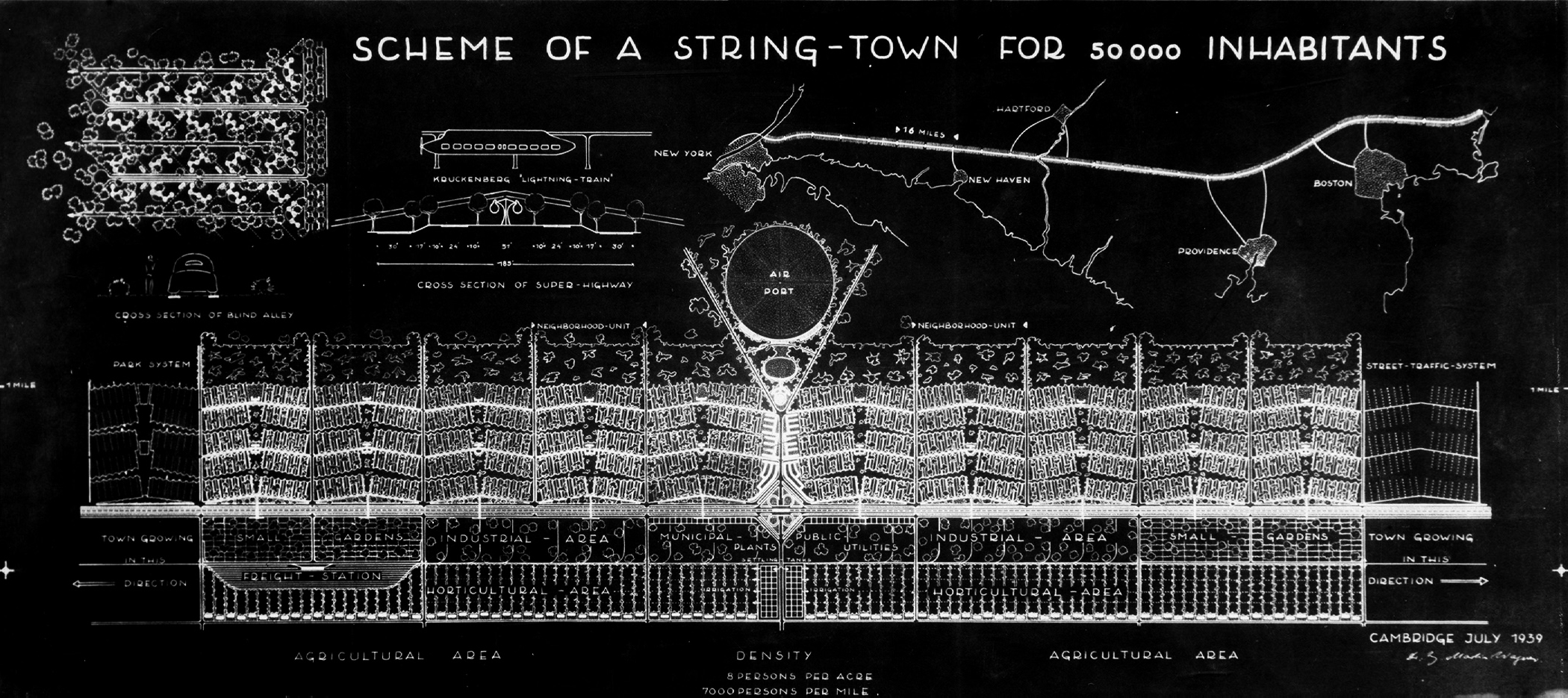
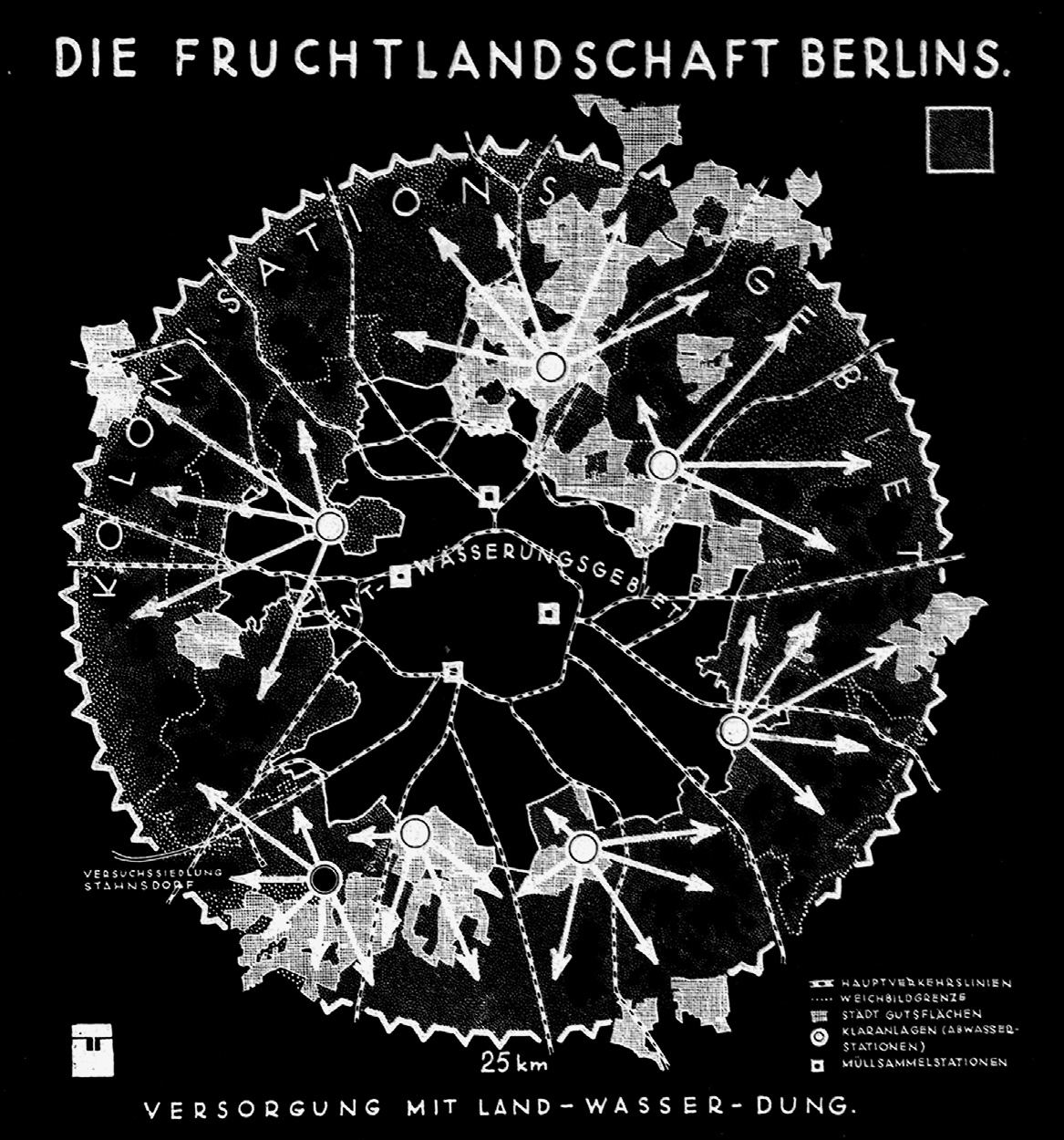
Interwar economic and social crises transformed the relationship between housing and landscape in design and political agendas. Architects and planners speculated on the potential articulation of both realms to forge new settlement schemes, using landscape and ecological criteria to reform residential urbanization patterns on a regional scale. This chapter shows how nature and home were mobilized in broader attempts to reshape metropolitan geographies, push the limits of state welfare, and restructure national economies through experimental arrangements of industry and agriculture. The theoretical explorations of Ludwig Hilberseimer, Leberecht Migge, Hans Bernhard Reichow and, especially, Martin Wagner suggest that incipient imaginations of landscape and agrarian (sub)urbanism, green infrastructures, and environmental services were already afoot between the 1920s and 1940s as a result of dramatic economic and spatial transformations in Germany and the United States. These interventions reveal increasing attention to landscape’s economic and ecological role in the transformation of settlement patterns, replacing architectural design as a privileged conceptual framework to guide urban development. However, they also announce a tendency to render both nature and home abstract, dependent variables of regional and national growth strategies, eroding the ontological, experiential bond that had initially encouraged the investigation of the housing/landscape nexus.