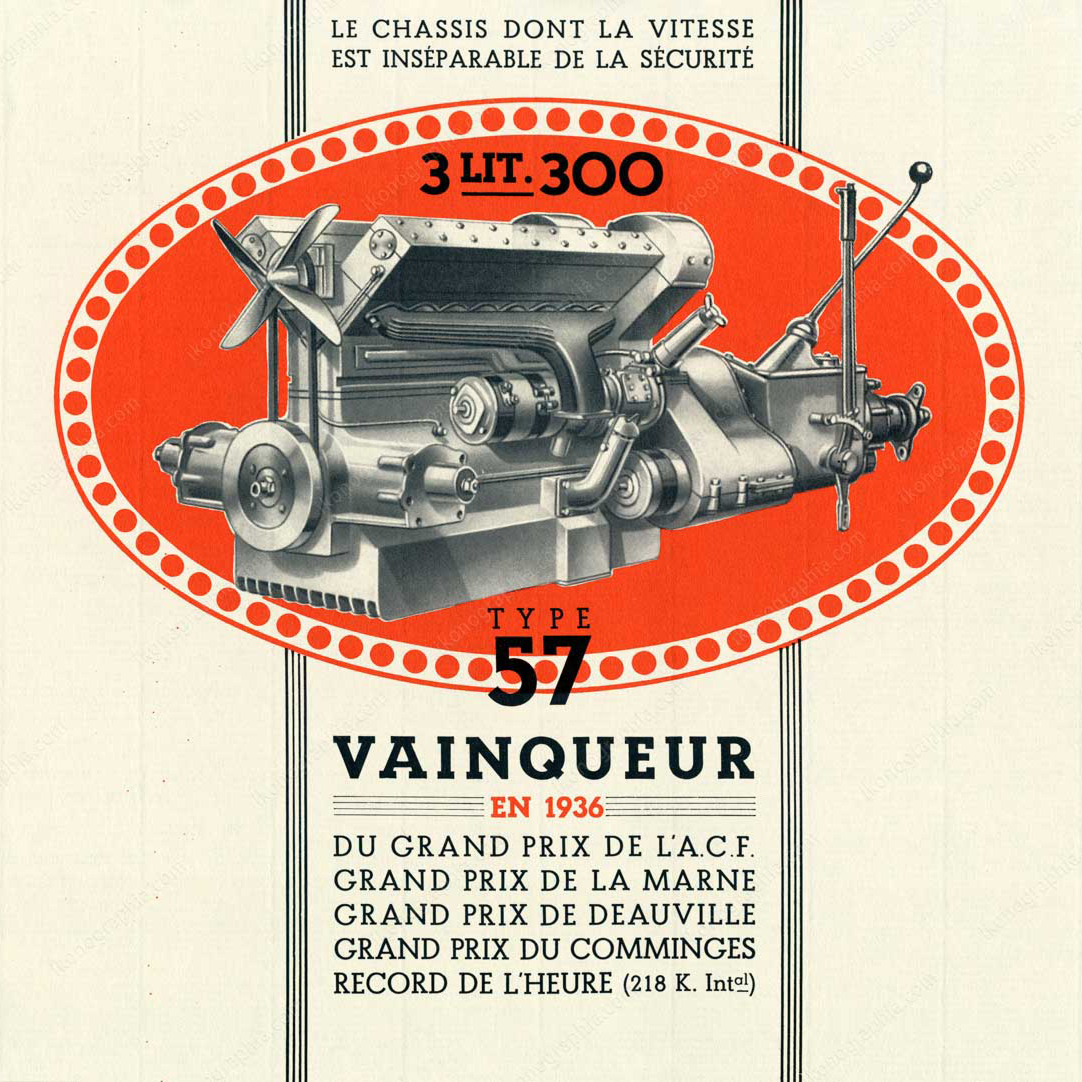
Fire has played a central role in architecture for millennia, but the modern proliferation of superheated materials including concrete, steel, and glass, increasingly permanent and impermeable adhesives and insulations, and myriad other forms of plastics have profoundly shaped far more of the built environment than the hearth and chimney alone. In parallel, industries such as coal mining, electricity generation, materials refining, and manufacturing have off-gassed whole new schools of musical practice, from Futurism to Blues to Metal. Meanwhile, the increasing proliferation of plastics on the supply side of the contemporary visual arts has dissolved the historically uneven quality and availability of art materials, empowering such Modernist universalisms as color theory and grid systems. These aesthetic transformations persistently, elusively, quietly—and sometimes more overtly—seep back into policy discussions about transportation infrastructure and energy resilience, professional standards for building safety, efficiency, and comfort, and consumer decisions about what to buy, attend, create, use, repair, modify, replace, and discard.
This project follows these parallel paths of the cultural influence of combustion technologies and outputs, using their tensions and affinities to birth new strategies and lines of questioning in each. As fossil economies are increasingly problematized for their role in global climate change and biodiversity loss, do the aesthetic paradigms they reproduce also need to be questioned? Should sustainable technologies and lifestyles attempt to replicate what will become bygone urban aesthetics of bygone urban technologies or do new forms of aesthetics (or very old ones) need to be encouraged to emerge from these new forms of life? In short, what will be the aesthetics of a post-combustion world, and how do we get there?